


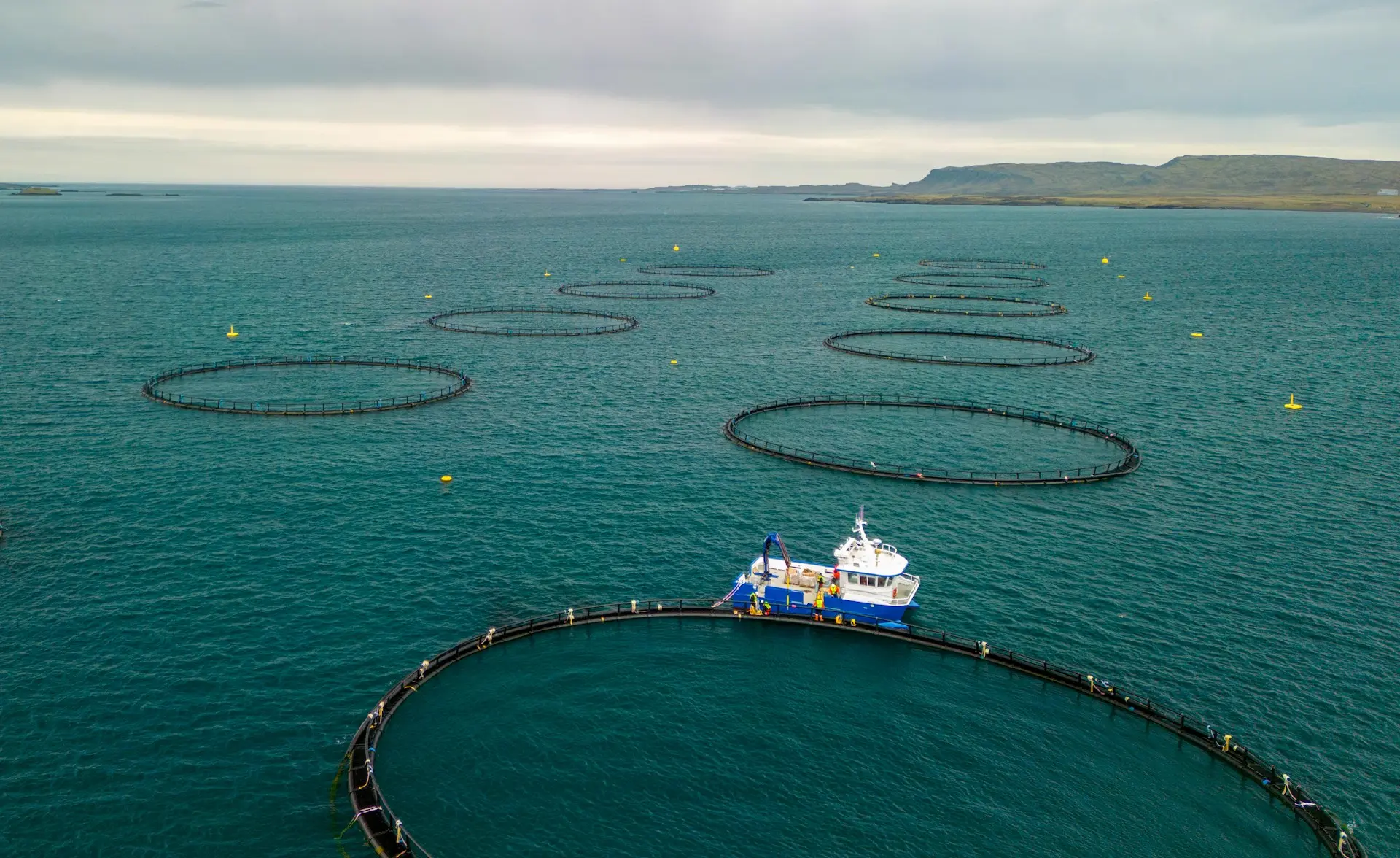
After a recent Australian Maritime Safety Authority (AMSA) webinar on operational stability risks, one point stood out: too many operators still treat stability as a compliance task instead of an operational one.
On paper most vessels have approved stability books signed off and filed away, yet vessels rarely operate in those exact survey conditions.
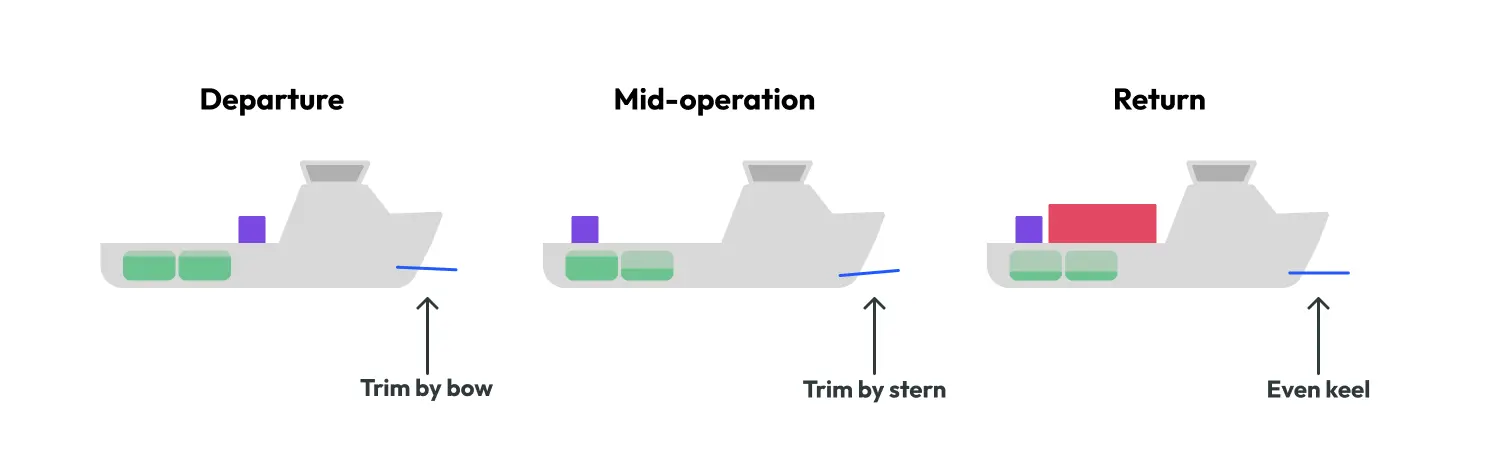
A vessel’s stability condition changes throughout normal operations as fuel is used, loads change, and gear is moved.
The stability of the vessel is not fixed. It changes constantly.
Incidents usually do not come from one obvious mistake. More often, they build over time through small changes that are not properly tracked. For example, a crane or davit gets installed, a storage box is added, or extra gear is kept on the upper deck. None of it seems serious on its own, but together those changes can change the centre of gravity and may even reduce the vessel’s margin of safety.
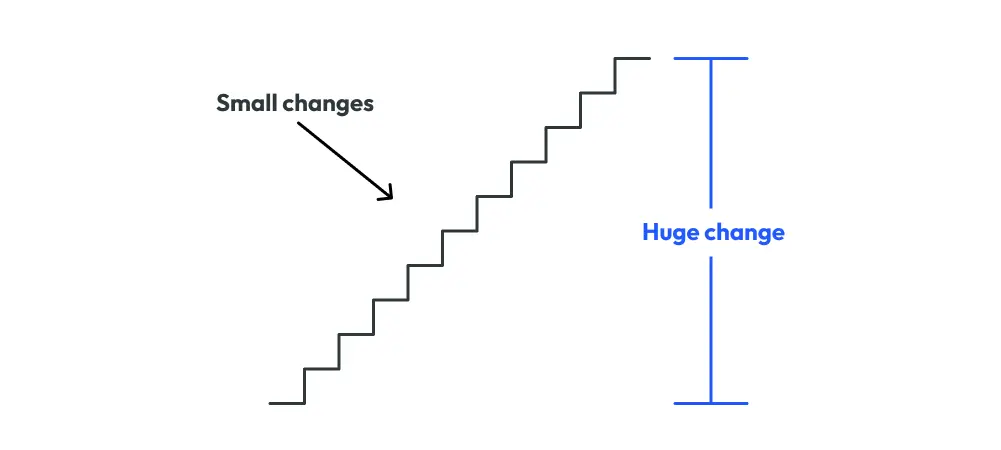
Undocumented modifications may seem minor on their own, but over time they can materially reduce stability.
This is also where paperwork can give a false sense of confidence. A vessel may still have an approved stability book, but if the vessel itself has changed, the paperwork may no longer reflect reality.
For many operators the difficulty lies in the way the information is managed. Stability-related details are often spread across paper logs, checklists, and conversations. If that information is never brought together, it is simply not possible to get a clear view of the vessel’s actual condition.
Operational stability risks may arise at any time. Lifting is a good example. A load sitting low on deck acts differently on the vessel’s centre of gravity than when the same load is suspended from a davit. The weight is effectively acting higher up, which can make the vessel more tender and increase roll. This becomes particularly dangeous during a swell or while turning.
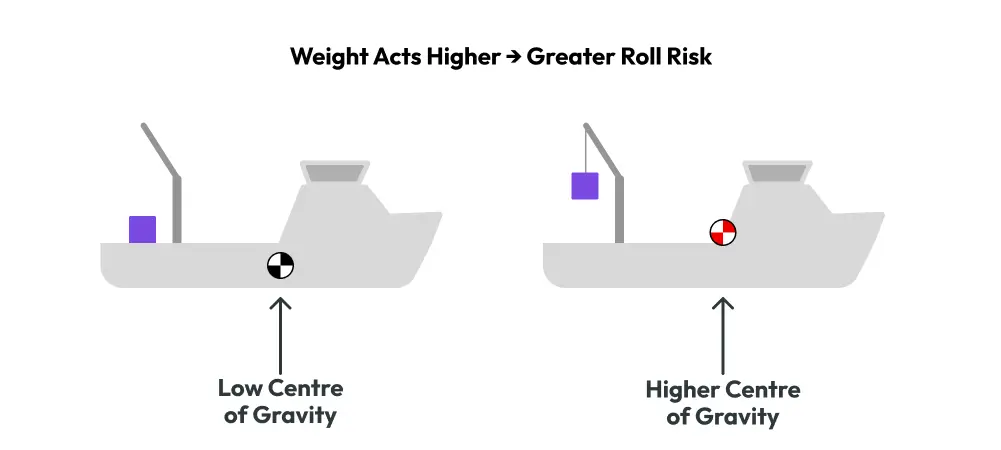
A suspended load affects stability differently from a load secured low on deck, especially in swell or while turning.
The same applies to free surface effect, which is one of the most overlooked stability risks in day-to-day operations. A partially filled slack tank, water on deck, melted ice in a hold, or any liquid that can move will shift as the vessel heels. A slack tank is a simple example: as the vessel rolls, the liquid moves across the tank and helps pull the vessel further over, reducing its ability to recover.
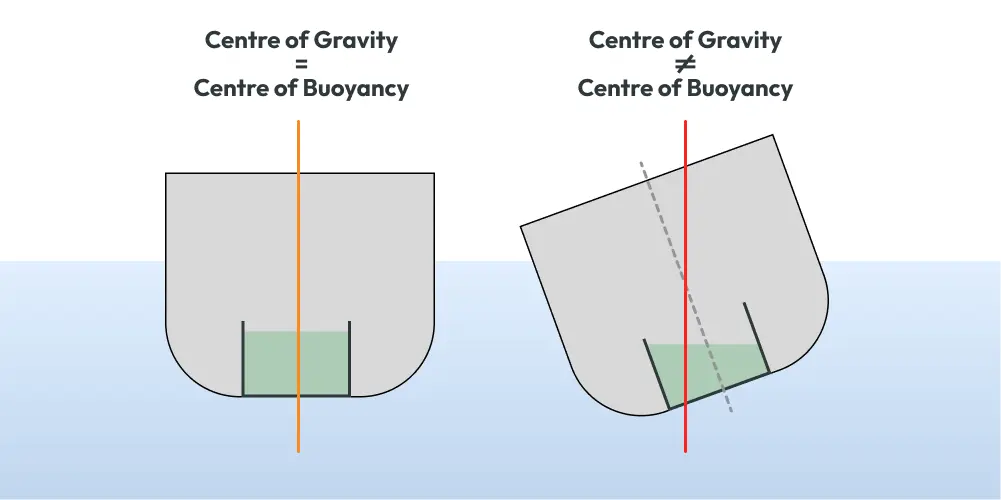
Partially filled tanks and moving liquid reduce a vessel’s ability to recover from heel.
Looking ahead
The question is no longer just, “Do you have the documents?” It is, “Do you understand the risk, and are you managing it as the vessel operates?”. This is where the industry is heading.
Operators who get ahead of this shift will be safer, better prepared for audits and inspections, and in a stronger position when regulators ask how the risks are being managed.
Stability is not something you set and forget. It changes every time the vessel moves. If you are not actively tracking it, you are operating without the full picture and that is where problems may arise.
See how Fathom Fleet’s compliance tools can help you reduce stability risks.
Read more
AMSA has a fantastic webinar on this topic.