



Your Safety Management System, audit ready
Our dedicated safety officer reviews AMSA notices and Marine Order 504 changes against your operation, then helps you make the relevant changes to your SMS.
Book a demoStraightforward guidance
Change monitoring
Marine Orders, AMSA notices, and safety alerts are read as they are published, not when someone on your side remembers to check.
Operational review
Every change is checked against your fleet before anyone opens a document.
Document follow-through
What the review turns up gets written into your Safety Management System.
Evidence of review
Each revision keeps its date, its reason, and the change that prompted it.
How changes reach the crew
Change notices and review notes
A change notice says what changed, why it matters to your operation, and who needs to act on it.
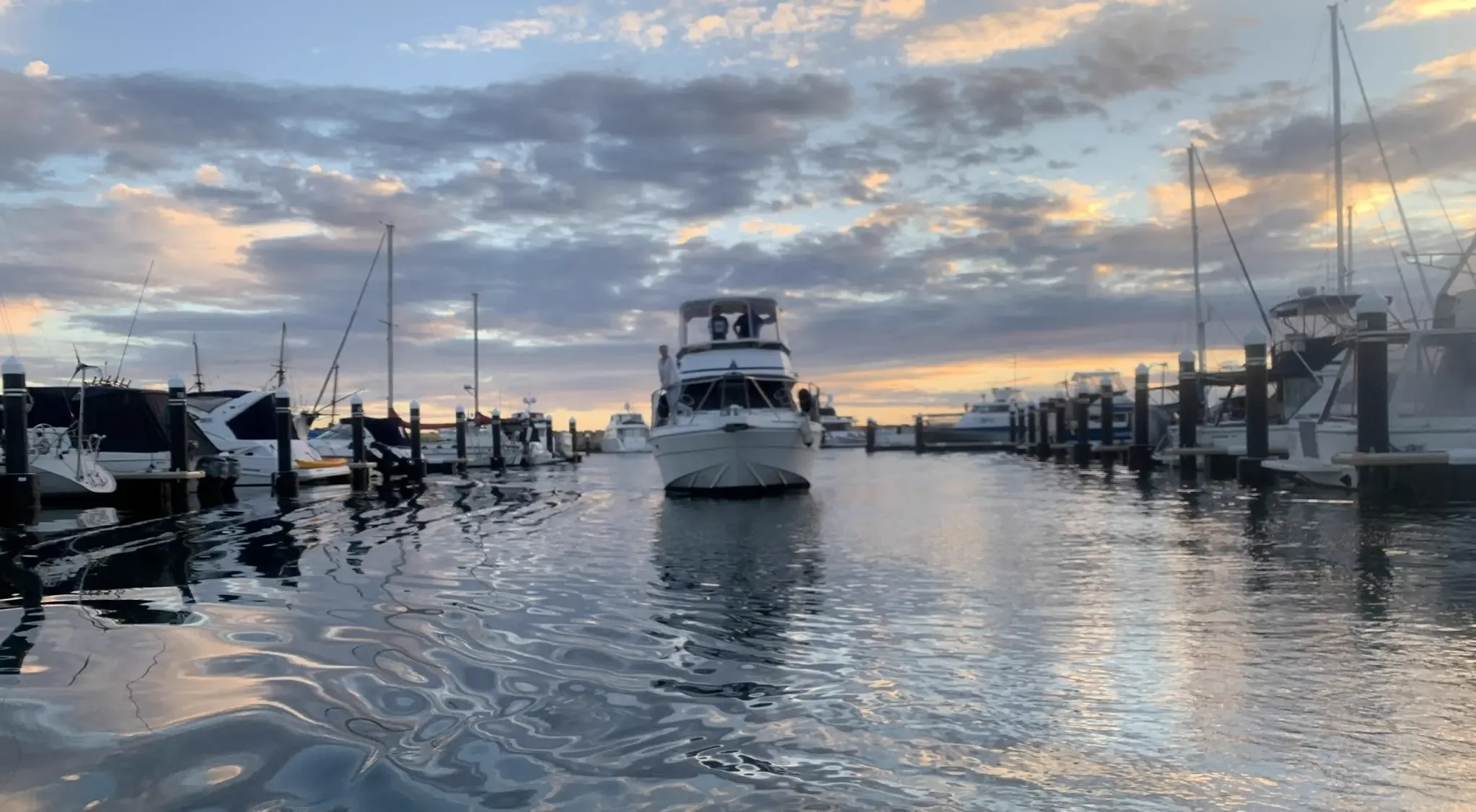
Applicability by vessel and operation
Most changes do not land on every operator. The review works through your vessel class, operating area, crewing model, and the controls already in place.
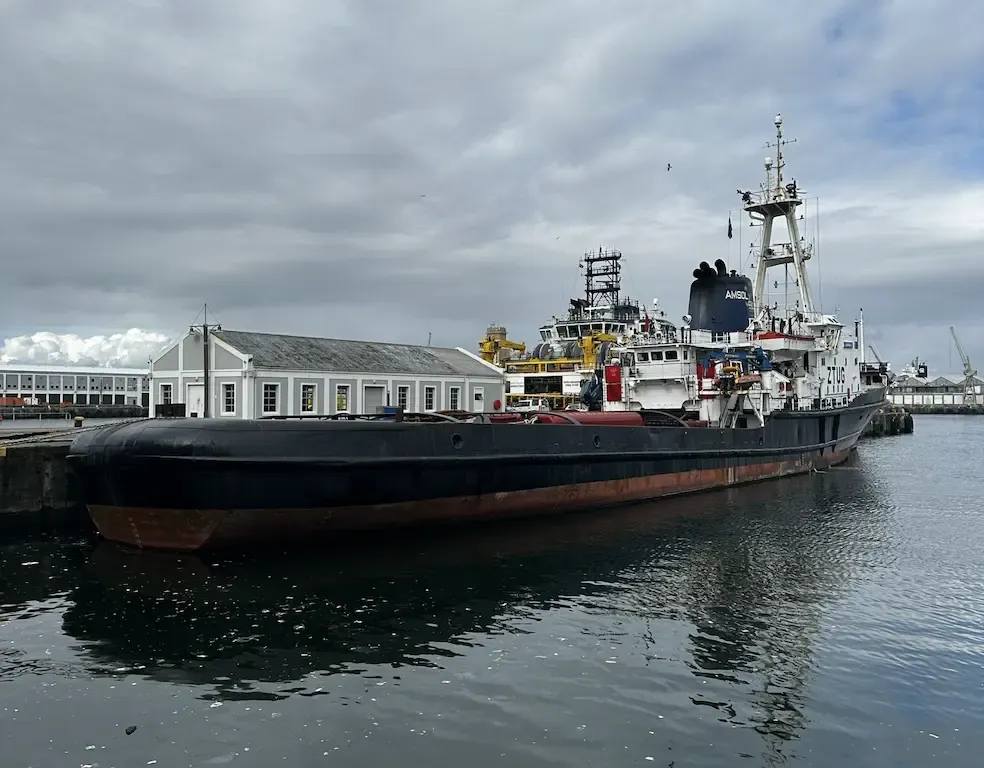
SMS revisions and follow-up
Confirmed changes are written into the documents themselves, each with a note recording what moved and why.

Where the guidance helps
Regulatory change
A Marine Order is amended or AMSA issues a notice, and the first question is whether it reaches your operation at all.
Incident and drill learnings
A near miss or a failed drill shows that a procedure did not work the way it reads on the page.
Document control
Two versions of the same checklist are in circulation and nobody is certain which one the crew is working from.
Management review
You need to show what was reviewed over the last twelve months, what changed as a result, and what is still open.

See Fathom Fleet running on
your own vessels
Book a demo.
We'll contact you within 12 hours.