


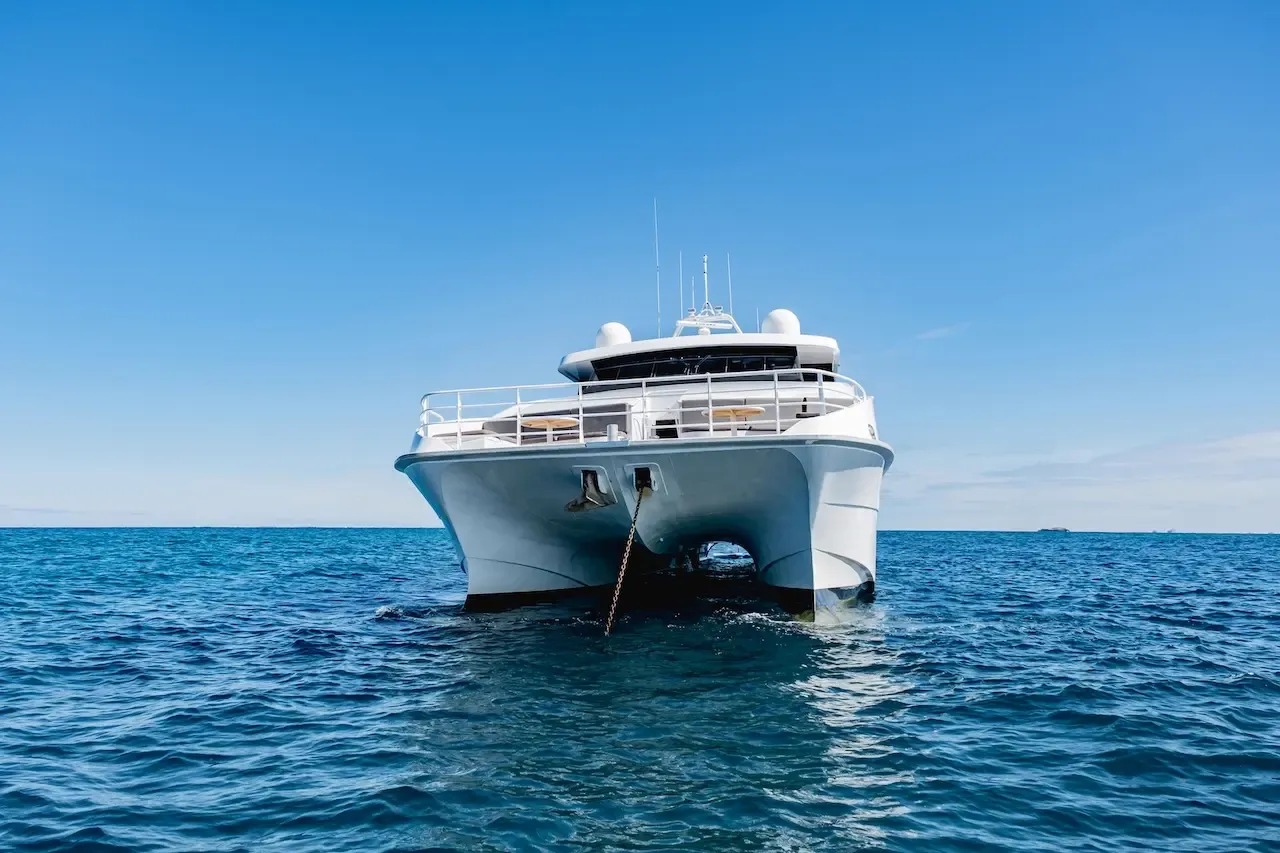
A digital vessel logbook that works offline
Structured entries recorded at sea, searchable from shore without waiting for the paper pages.
Book a demoBuilt around the vessel
Log entries at sea
Crews record voyage details, watch notes, handovers, drills, incidents, fuel, and machinery hours even when mobile coverage drops out.
Consistent event types
Structured entry types help masters and crew capture the right details for daily operations, not just a short free-text note.
Searchable shore access
Operations, maintenance, and compliance teams can find past entries by vessel, date, incident, or a particular event.
Evidence for survey and review
Check what happened on a particular day, compare machinery hours against servicing plans, and pull supporting records for a survey or internal review.
What the logbook records
Watch logs and event entries
Voyage records, watch notes, drills, checklists, reports, and incidents each use a format suited to the task. Crew keep the speed of a daily log while the business gains a record that can be filtered and understood later.
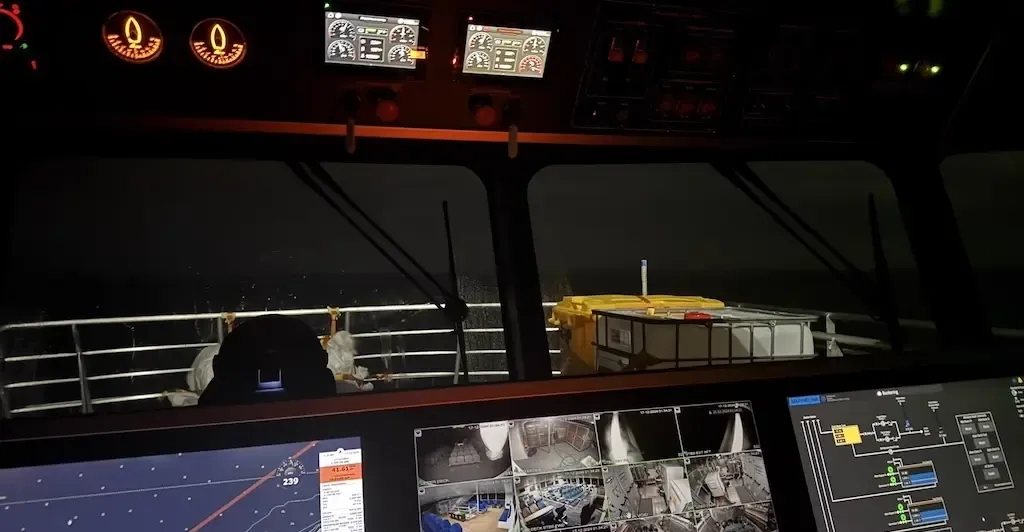
Voyage record and handover trail
Trip logs, crew changes, completed checks, defects, and follow-up actions stay connected to the voyage. That gives masters and crew a clear handover.
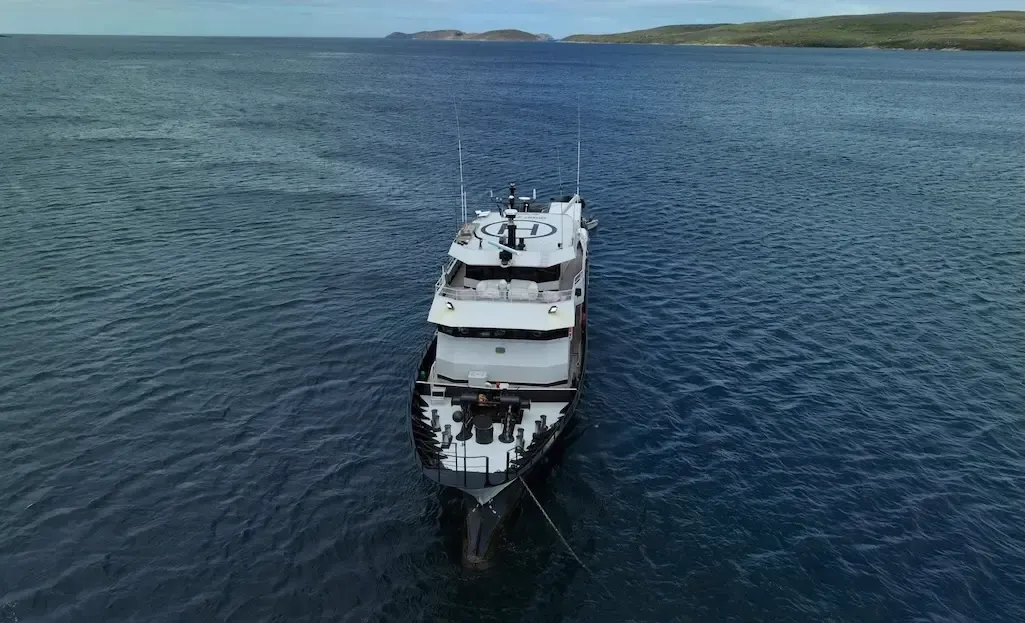
Records for machinery hours and bunkering
Engine hours, generator hours, fuel taken on, and related notes are recorded with the same daily workflow. The result is a more useful trail for maintenance intervals, fuel reconciliation, charter review, and incident follow-up.
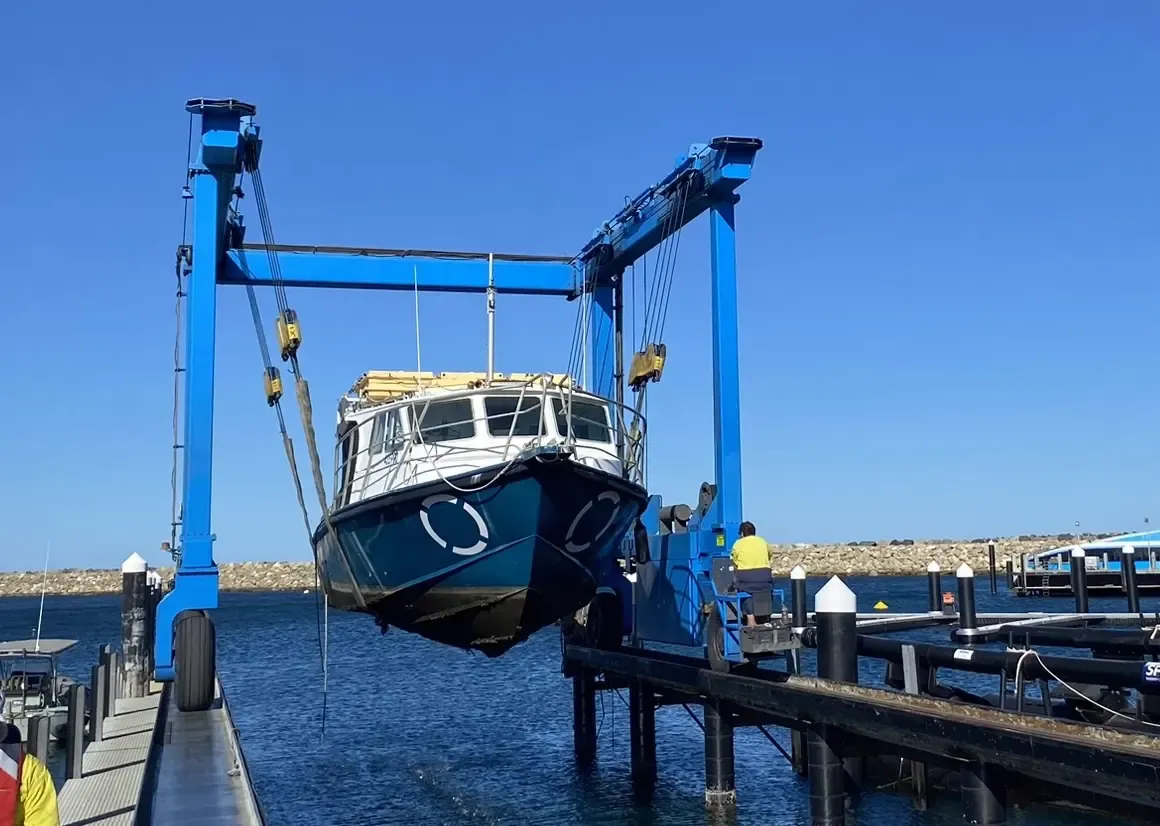
What changes day to day
Fewer missing details
Structured fields prompt crews for the information that normally gets lost in a paper margin: vessel, time, location, activity, personnel, equipment, follow-up actions, and supporting notes.
Better handovers
Incoming crew and shore staff can see the latest operational notes, defects, completed checks, and items still waiting for action.
Cleaner maintenance history
Machinery hours, fuel movements, and checks sit with the vessel history, giving you a clearer basis for servicing, investigation, and cost review.
Records ready for review
When a surveyor, customer, or insurer asks for evidence, export the relevant logbook history they need.

See Fathom Fleet running on
your own vessels
Book a demo.
We'll contact you within 12 hours.